

Sewing Machines willl be provided for your use by Montavilla Sewing Center
If you live locally, you may bring your own machine.
Please know how to operate a machine before taking this class.
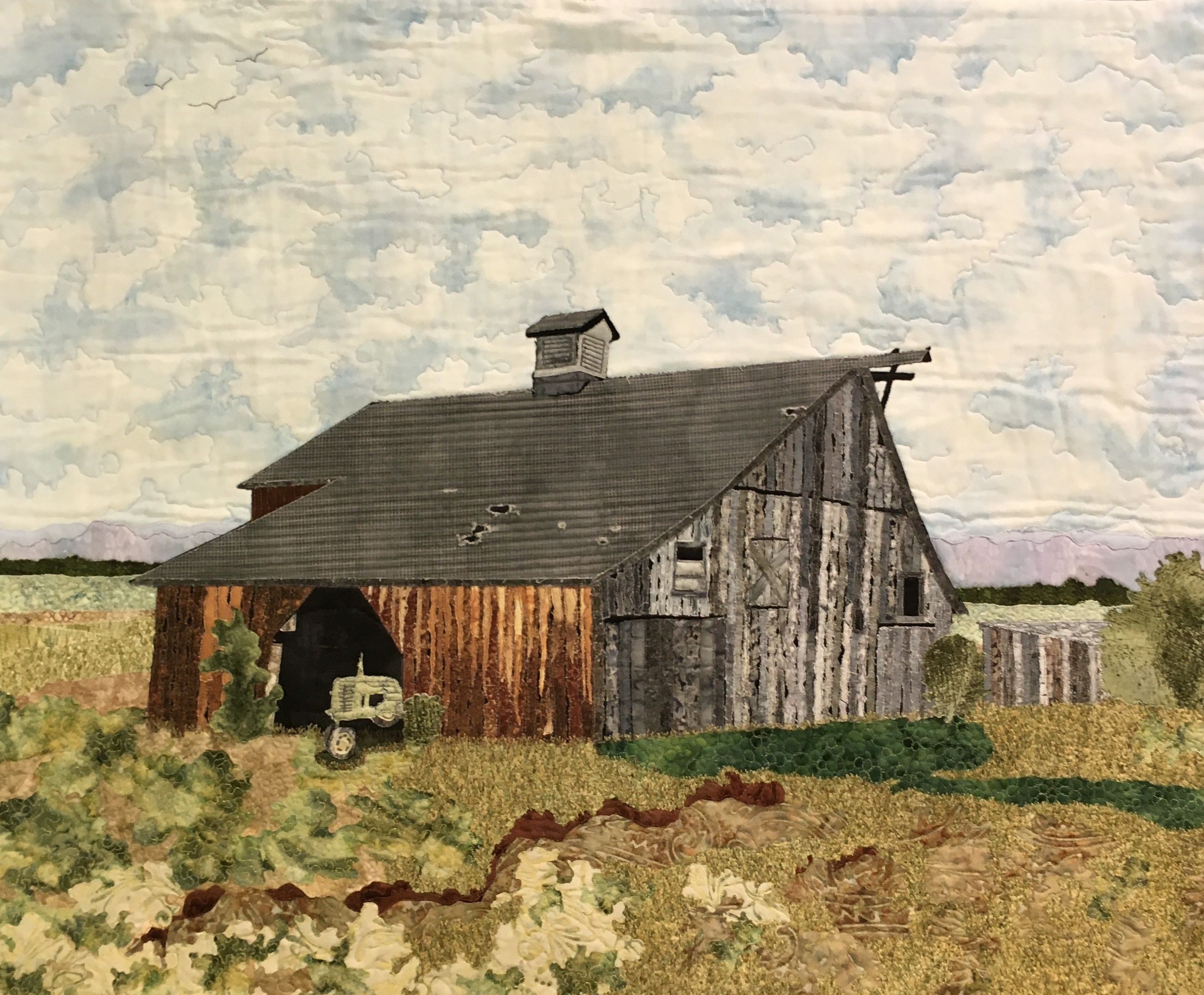
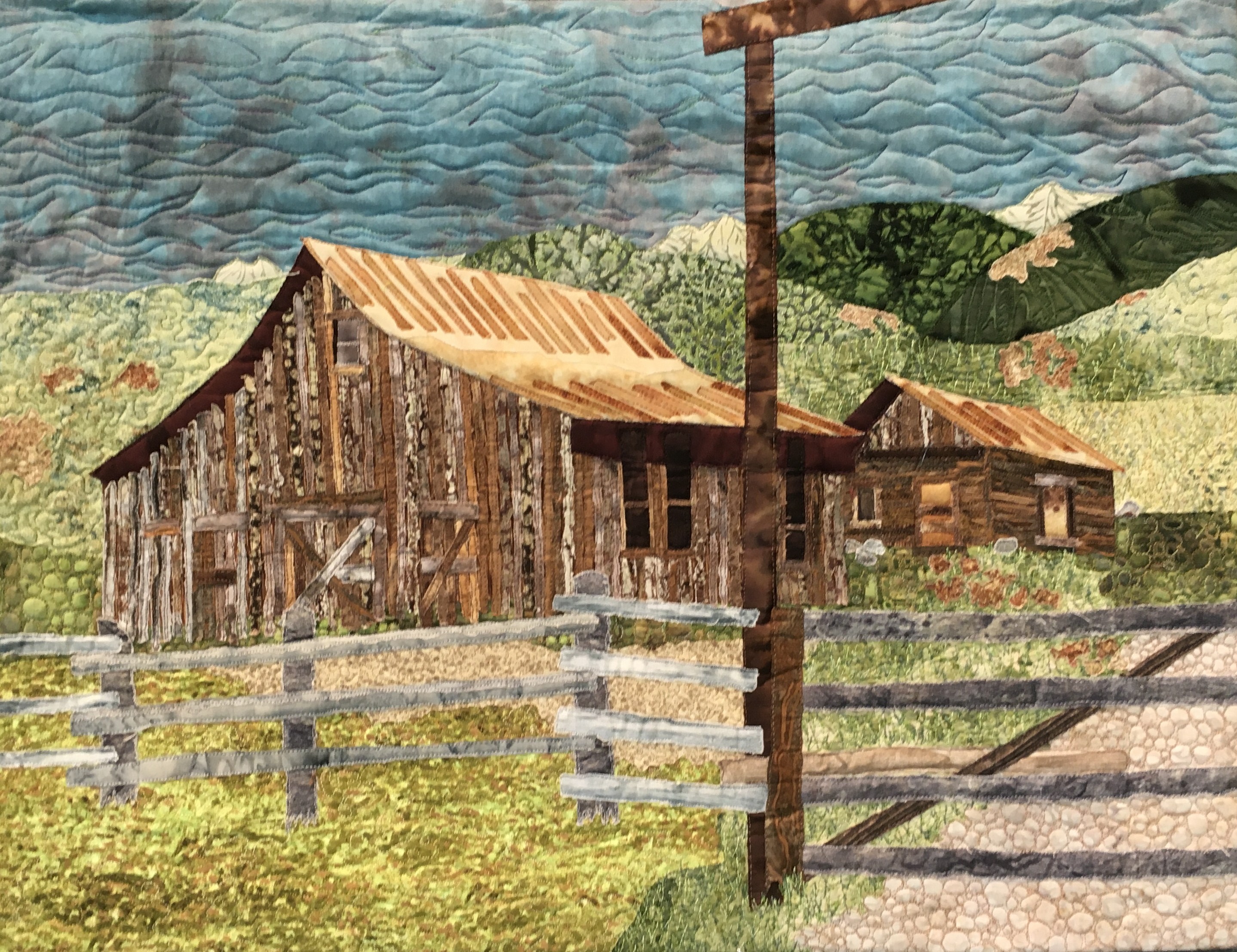
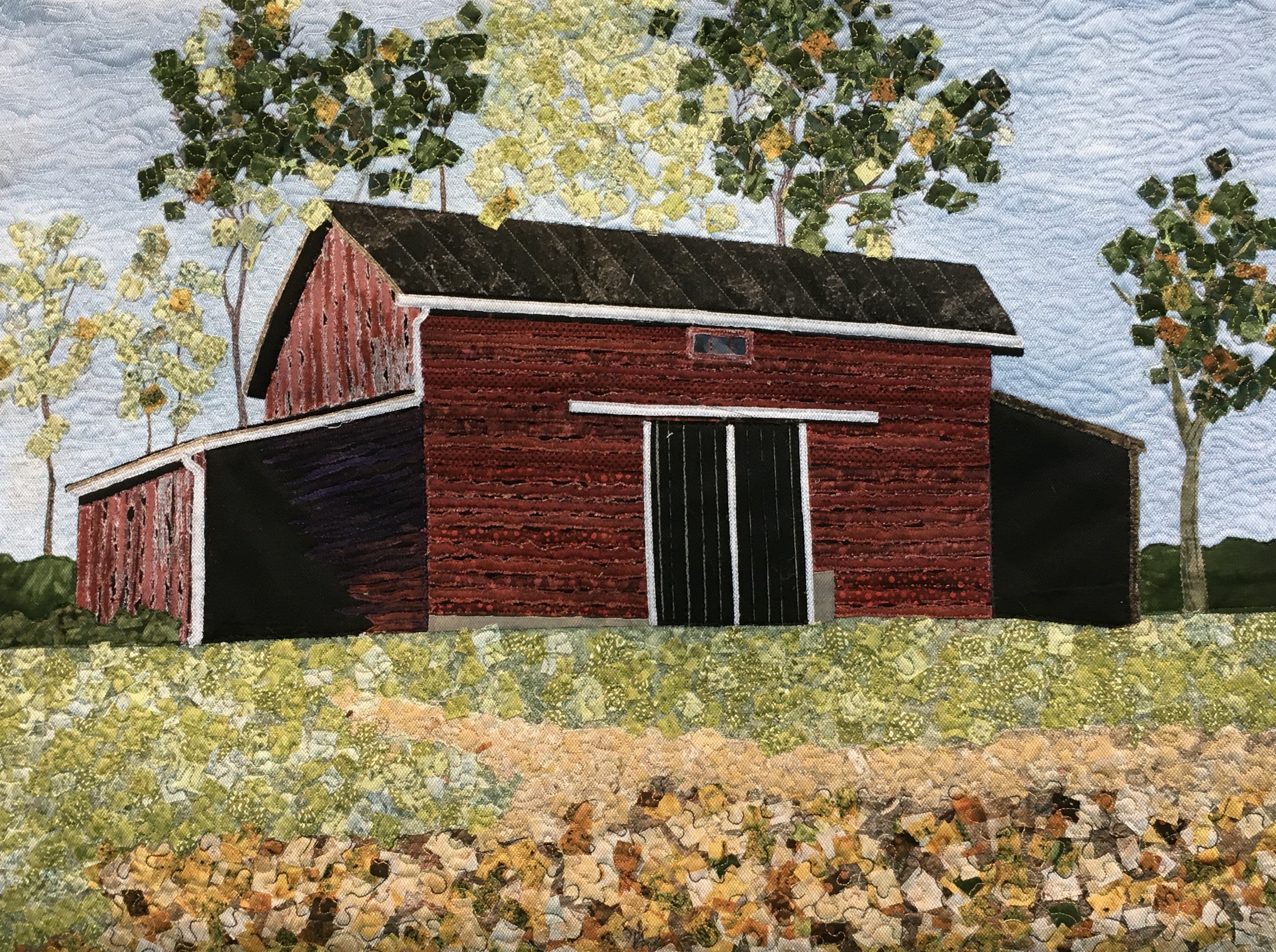
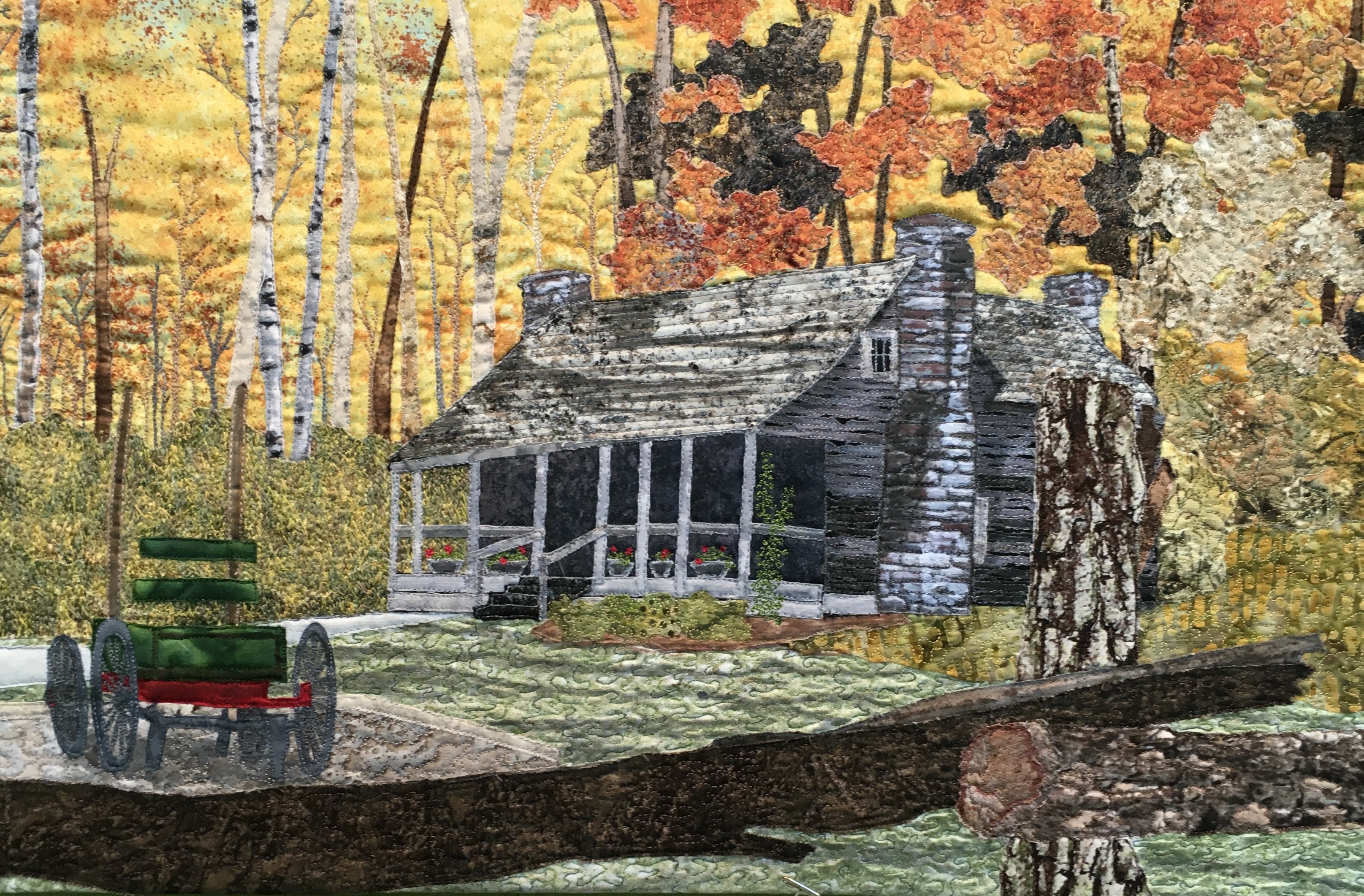
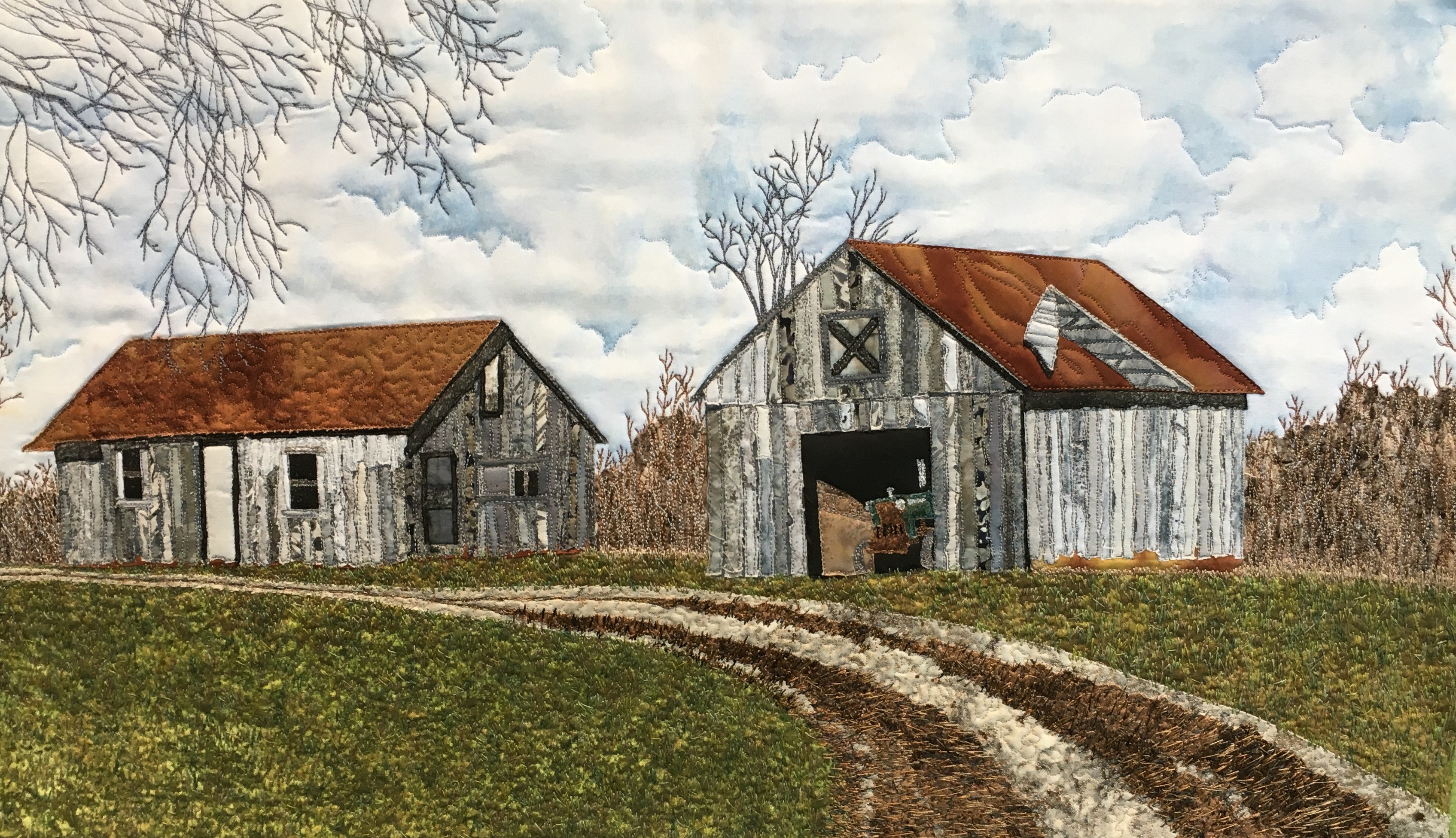
Whether you’re a beginner or expert quilter, this class is perfect for you. I’ve taught this technique to over 600 students and they’ve all achieved a quilt to be proud of. You’ll work from your own photograph (or one you find online) of an old wooden building. An old barn works best. During this class you’ll learn how to make a pattern, transfer it to fabric, put together your building using multiple small pieces of fabric, and build your landscape. You’ll finish your project using free motion quilting. We’ll also discuss various ways to finish your quilt including a traditional quilt binding, a quilt facing and raw-edge bindings.
You can see examples of my work as well as student work at www.buttermilkroadarts.com.
You can contact me at buttermilkroadarts@gmail.com.
Materials fee of $30 paid to instructor at beginning of class includes:
base fabric, ruler, pencil, freezer paper, fabric marker for shading, tulle for shading, fusible web, black or brown fabric for the barn base, and a quilt sandwich for free-motion quilting practice.
Supplies Needed to bring for Class:
You will need a photograph of an old wooden barn or building as the focal point. Use your own photograph or find a picture of an old barn on-line. Take your photo (on your phone or a computer stick) to Fed Ex or UPS and have them make a BLACK AND WHITE copy on very THIN plain paper no larger than 18”x24”. Also make an 8”x10” color copy on regular copy paper for reference. These should cost less than $10.
Scissors small enough for precise fussy cutting
A white chalk marking pencil
An iron and ironing surface – a small travel iron and an ironing pad about 12”x12” is fine
A small light box (only if available)
Batting and backing fabric 4” larger than your enlarged photograph
Typical sewing supplies (scissors, seam ripper, etc.)
A small amount of fabric scraps for your building. For a brown barn, in addition to brown fabrics you’ll need greys, whites and tans. For a white barn you’ll need neutrals including whites, greys, tans and browns, and a red barn requires variations of red and grey fabrics. Batiks are great for this process because they don’t fray but any fabric can add interest. Small prints also work well. Rust colors are great for worn roofs.
A small variety of light and dark green fabrics for foliage and grass as well as small scraps of yellow and orange.
Neutral fabrics for stones, pathways, etc. (light browns and creams), brown fabric for tree trunks, and light blue fabric large enough for the sky. Muddled light blue fabrics or blue grunge fabrics work well. Don’t pick a blue fabric with clouds as it will read “cartoony.”
Threads to match your fabric colors plus pale blue, various greens, browns, greys etc. Variegated threads are wonderful for this technique. My favorite thread for grass is King Tut variegated thread #910 “Bullrushes.” A large variety of thread will add depth and dimension to your landscape.
Sewing machines will be supplied by Art and Soul Retreat.
DOs and DON’Ts for great results:
Don’t bring a photo of a stone or brick building – this isn’t what I’m teaching! This technique is for an old wooden building - preferably an old barn.
Don’t make the landscape the largest part of your photo. The focal point is your building. Crop your photo to enlarge the building before taking it to be enlarged if you need to.
Don’t bring a photo that has lots of water in the landscape. Water is hard to replicate in fabric. Learn the technique before you tackle adding water.
Do bring lots of fabric scraps to share.
Do have confidence that you can learn this technique and have a finished art quilt to enjoy.
Do have confidence that you can learn this technique and have a finished art quilt to enjoy.
To pre-order supplies, click on this link for Cobblestone Creek Studios.